Confidence After 40: Terry Tateossian on Reinvention, Stillness, and Showing Up When You Don't Feel Ready
By Kate Ziuz | Presence Coach for Founders & Entrepreneurs
For years, Terry Tateossian walked into conferences, sales presentations, and boardrooms carrying 80 extra pounds and a body she'd stopped feeling at home in.
She did it anyway. She didn't have a choice — she was running an agency she'd built over two decades in tech and media, and the job required showing up. So she showed up.
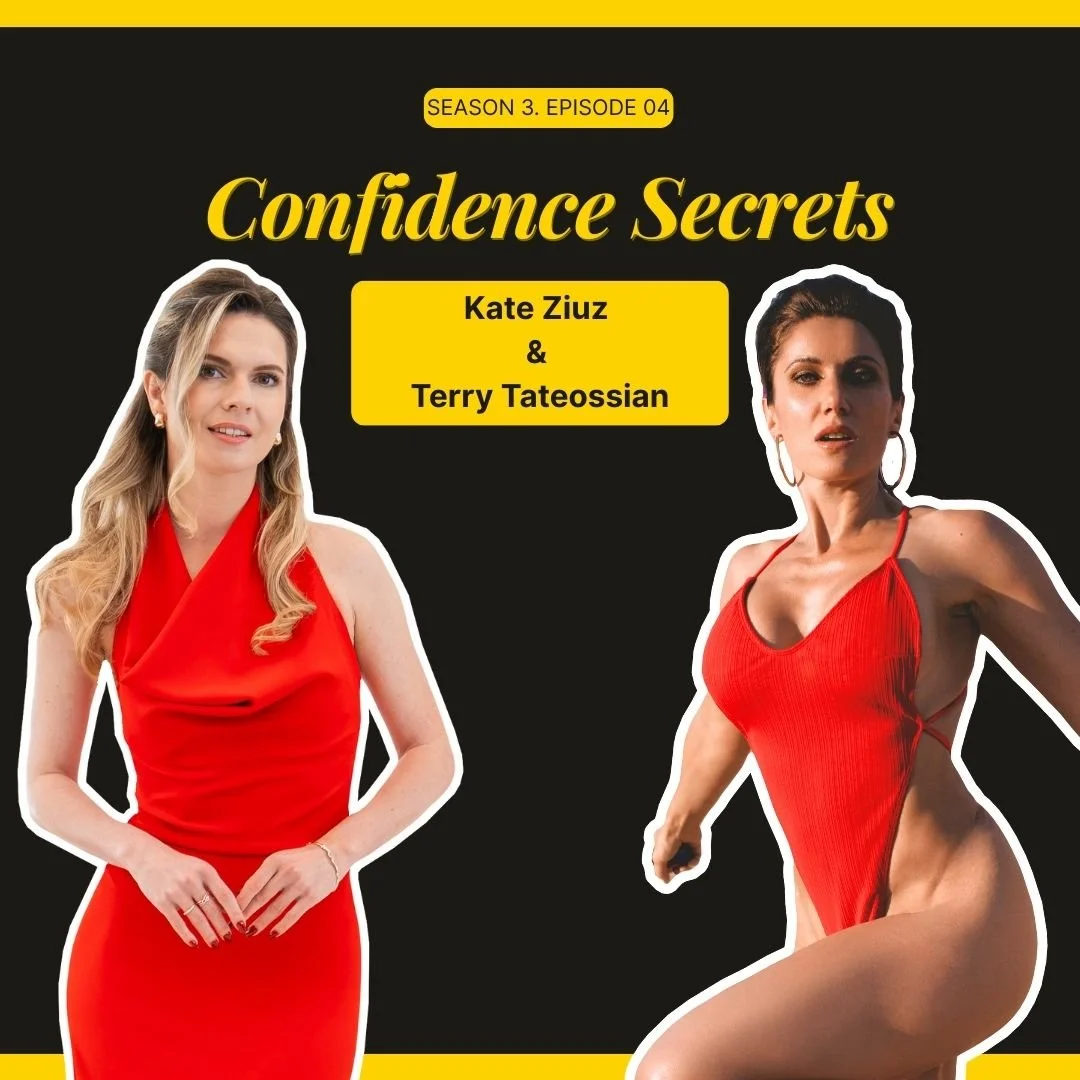
And in that period she learned something that reframed how she approaches every room she's entered since: most of the time, people don't care what you say. They don't care what you look like. They care how you make them feel.
I brought Terry onto Confidence Secrets because her story cuts against almost everything women are told about presence — that you need to fix yourself before you can command a room. She didn't. She commanded rooms first, and rebuilt herself second.
→ Watch or listen to the full episode on YouTube | Spotify | Apple Podcasts
She Doesn't Prepare for What Could Go Wrong
When I asked Terry how she approaches a first impression — walking into a room, stepping onto a stage — her answer surprised me with how little it had to do with performance.
She doesn't worry about the microphone failing. She doesn't worry about whether people will like her. She doesn't run the what-if scenarios. And when she says she doesn't worry about falling down on stage, she means it literally: it has happened to her. All of it has happened.
What she prepares instead is intention. Before every room, the question she's answering is: how do I want the people in here to feel? Empowered? Inspired? Entertained? Am I bringing something of value?
The reason this works isn't mystical. Anxiety about your own performance turns your attention inward — and inward attention is exactly what produces the physical patterns that read as nervous. Self-monitoring makes you stiff. Focusing on the audience redirects that attention outward, and the body follows.
Terry put it simply: energy is infectious. If you walk in anxious and fearful, people feel it. That transfer happens before anyone processes a word you've said.
"90% of Communication Is Silence"
This was the line I wanted to put on a wall.
When I asked Terry about specific body language cues, she named three, and every one of them is something I teach:
Eye contact. Whether it's a group, one person, or a camera — look at them. Directly. This is the single fastest way to signal that you're present with the people in front of you rather than performing at them.
No fidgeting. No extra movements. No hands flying around. She was clear that you don't need constant gesturing to be engaging — most of it is noise.
Stillness and rootedness. Her phrase was being rooted to the ground. Cultivating stillness rather than motion. This is the piece most speakers get backwards, because nervous energy feels like it needs somewhere to go, and the body sends it into pacing, rocking, and restless hands.
And then: smiling. Which sounds obvious until you watch footage of yourself and realize how often you don't.
I added one thing during our conversation that I'll repeat here, because it's the most common gesture mistake I see: your gestures should support your message, not compete with it. When hands are moving constantly, the audience's eyes track the hands instead of your face. You become the background to your own gestures. You should be the center of attention — the gestures are there to underline, not to perform.
The Outfit Rule That's Actually About Attention
Terry has a specific approach to what she wears when presenting: simple colors, no prints, structured rather than flowy. Hair and makeup done, because it makes her feel like a million bucks. Wear the heels. Do the whole thing.
But her reasoning isn't about looking good. It's about where your attention goes.
If you didn't get your hair done, or you're wearing something that doesn't fit right, or something keeps riding up — you're thinking about it. Your mind is on your clothes while your mouth is forming sentences about something else. That divided attention is visible, and it costs you.
This is exactly what I mean when I tell clients that comfort beats production value. A woman who feels physically settled in what she's wearing will out-present a woman in a more impressive outfit that's demanding her attention all day. The goal isn't to look expensive. It's to remove everything that would pull your focus away from the room.
Twenty Minutes of Silence
I asked Terry about pre-stage rituals — music, power poses, anchors. A lot of speakers have a hype playlist.
Hers is the opposite. Twenty minutes of complete silence, eyes closed, before going on.
I find this genuinely useful to name, because the dominant advice is to pump yourself up. For some people that works. For others it adds arousal to a system that's already activated, and they walk out with too much energy and no control over it.
If you've been doing the hype routine and still walking on stage feeling scattered, try the opposite. Silence, stillness, eyes closed. Let the system settle rather than spike.
Confidence Didn't Come From Losing the Weight
This is the part of the conversation I most want women to hear.
Terry described having what felt like a split identity during her heaviest years: professionally confident — she knew her material, she'd done the work, she was good — and personally, when it came to her own body and image, that confidence was gone. She'd had it once and lost it somewhere along the way.
Then she lost 80 pounds.
And her confidence did not return. Her words: real, authentic confidence does not happen even after you lose 80 pounds. Sometimes you achieve the thing you set out to achieve and you're still insecure.
What rebuilt it was something else entirely — brick by brick, rep by rep, day by day. Not from the transformation. From keeping the promises she made to herself. Doing the things she said she'd do for herself, internally, not just the things she did for everyone else professionally. Day after day, rebuilding her own trust in herself.
She described it as training. Like going to the gym. You can train yourself to be confident.
I want to underline what that means, because it's the same argument I make from a different angle: confidence isn't a state you arrive at by fixing your circumstances. It's built through repetition. And presence works identically — the women who seem naturally commanding built it through reps, whether or not they knew that's what they were doing.
Mental Board Meetings
Terry shared a self-awareness practice she invented, and it's the most original thing I've heard on this podcast.
She personifies the different voices in her head — toddler Terry, adolescent Terry, the twenty-something version — and calls a board meeting. All of them are invited. She opens the floor and asks to hear everything: the complaints, what she's doing wrong, what she's doing right, why anyone's unhappy.
Her point about why she does this instead of the popular alternative: a lot of current advice says to shut the negative voice up, ignore it, stay positive. That didn't work for her, because ignoring it didn't make it go away. So she lets it talk.
What it produces isn't self-criticism — it's the opposite. No shaming, no punishing, no judging. The goal is unification: getting all the parts of yourself working toward the same thing rather than fighting each other.
And then the line that matters most: self-awareness means nothing without action. Having a dream means nothing without a plan. You can understand everything happening inside you and still change nothing if you don't follow through. The consistency afterward is what produces the visible result.
About Terry Tateossian
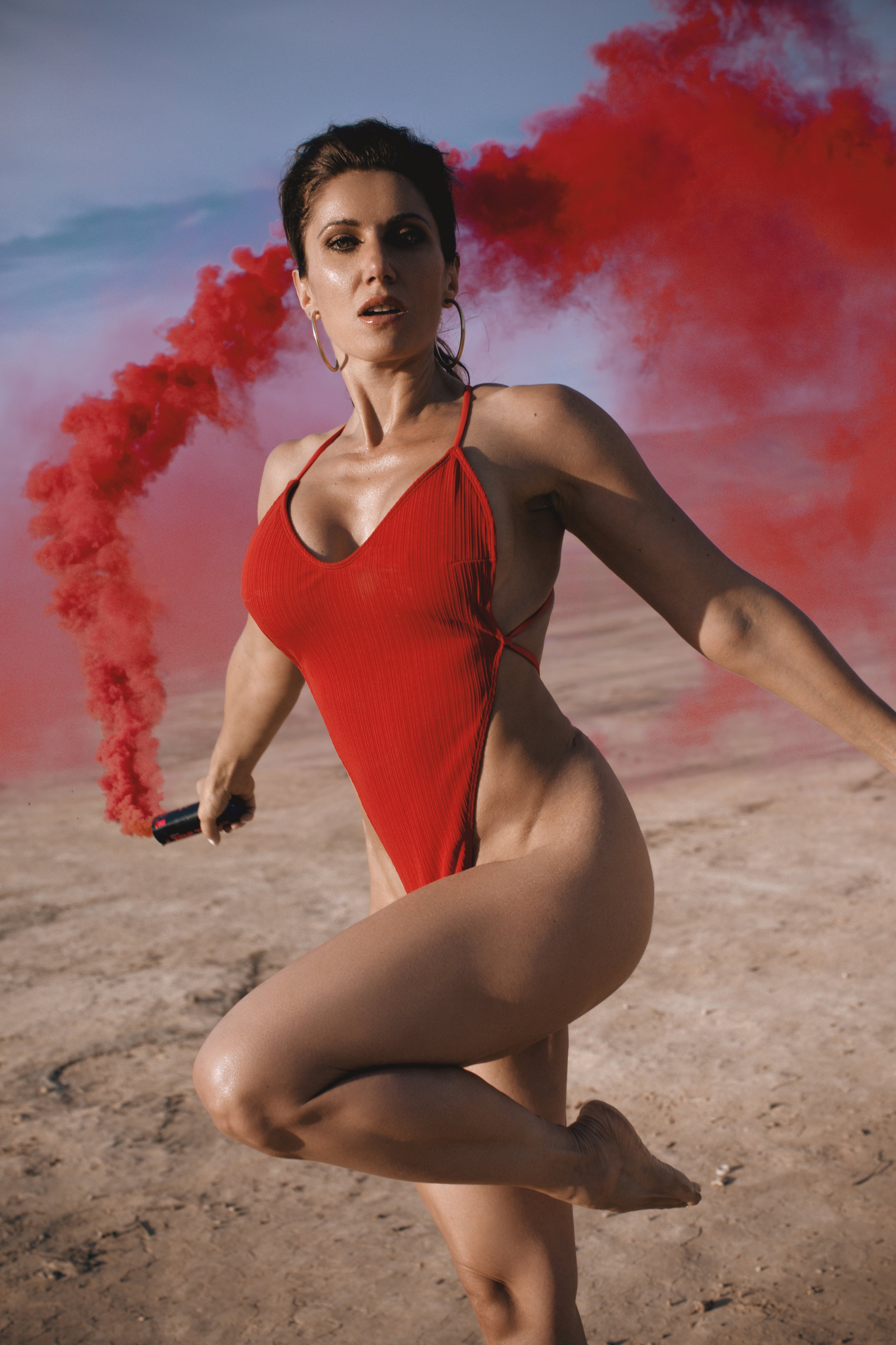
Terry Tateossian spent 20 years in technology and media, founding and running a marketing and technology agency, before burnout and declining health prompted a pivot in her forties. She is now the founder of The House of Rose THOR, which runs mountaintop wellness experiences for women in midlife focused on the body-mind-lifestyle connection — yoga, hiking, strength training, nutrition, and community. She speaks on reinvention, resilience, and building confidence in a second act.
Connect with Terry:
Website: thehouseofrose.com
Instagram: @how.good.can.it.get
THOR: @thor.wellness
Terry also shared her framework for physical wellbeing in midlife — strength training over cardio-only approaches, nutrition education, sleep, and reducing substances that affect longevity. That's her expertise rather than mine, and it's covered in depth in the full episode and through her work at THOR.
The Takeaway for Women Building Visible Brands
Terry's story dismantles a belief I encounter constantly: once I fix this thing about myself, then I'll be able to show up properly.
She showed up for years before she felt ready, in a body she wasn't at peace with, and commanded rooms anyway — because she focused on the people in front of her instead of on herself, and because stillness, eye contact, and clear intention work regardless of how you feel about your reflection.
Then she rebuilt her confidence separately, through repetition, keeping promises to herself.
The order matters. Presence didn't wait for confidence. It never has to.
If your body is doing something on stage that's working against the expertise you've built — pacing, fidgeting, restless hands, an inability to be still — that's mechanics, and mechanics are trainable.
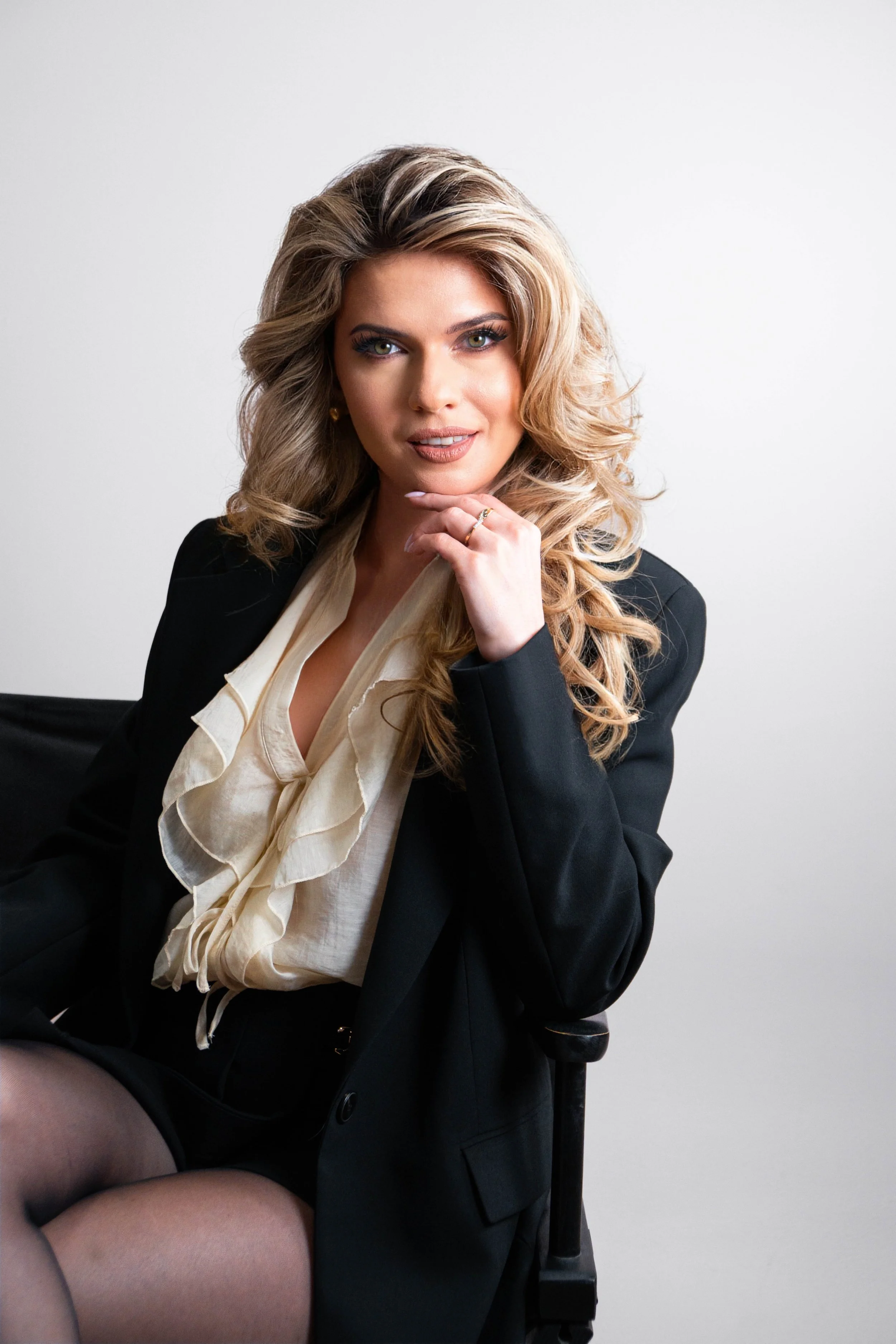
Kate Ziuz is a presence coach for founders and entrepreneurs building visible brands. She specializes in the mechanics of on-camera presence, stage presence, and high-stakes preparation. Based in Los Angeles. Featured in Best Holistic Life Magazine, Femforce Podcast, Authority Magazine, and more.
