Who Needs a Presence Coach? Your Questions Answered.
By Kate Ziuz | Presence Coach for Founders & Entrepreneurs
If you've been googling "presence coach" or "body language coaching" and wondering whether it's actually meant for someone like you — this page is the answer. I get versions of these questions on every strategy call. So here they are, answered directly.
"What does a presence coach actually do?"
A presence coach works on the physical mechanics of how you show up — posture, eye contact, hand placement, vocal pace, energy — specifically in high-stakes visible moments like podcast recordings, speaking engagements, video content, and media interviews.
What I don't do: mindset work, confidence journaling, or motivational coaching. Those are real disciplines. They're just not what I teach.
My approach is mechanics-first. The way you hold your shoulders changes how authoritative you sound. The way your eyes move on camera changes whether viewers trust you. These are trainable, repeatable physical patterns — not feelings to work through.
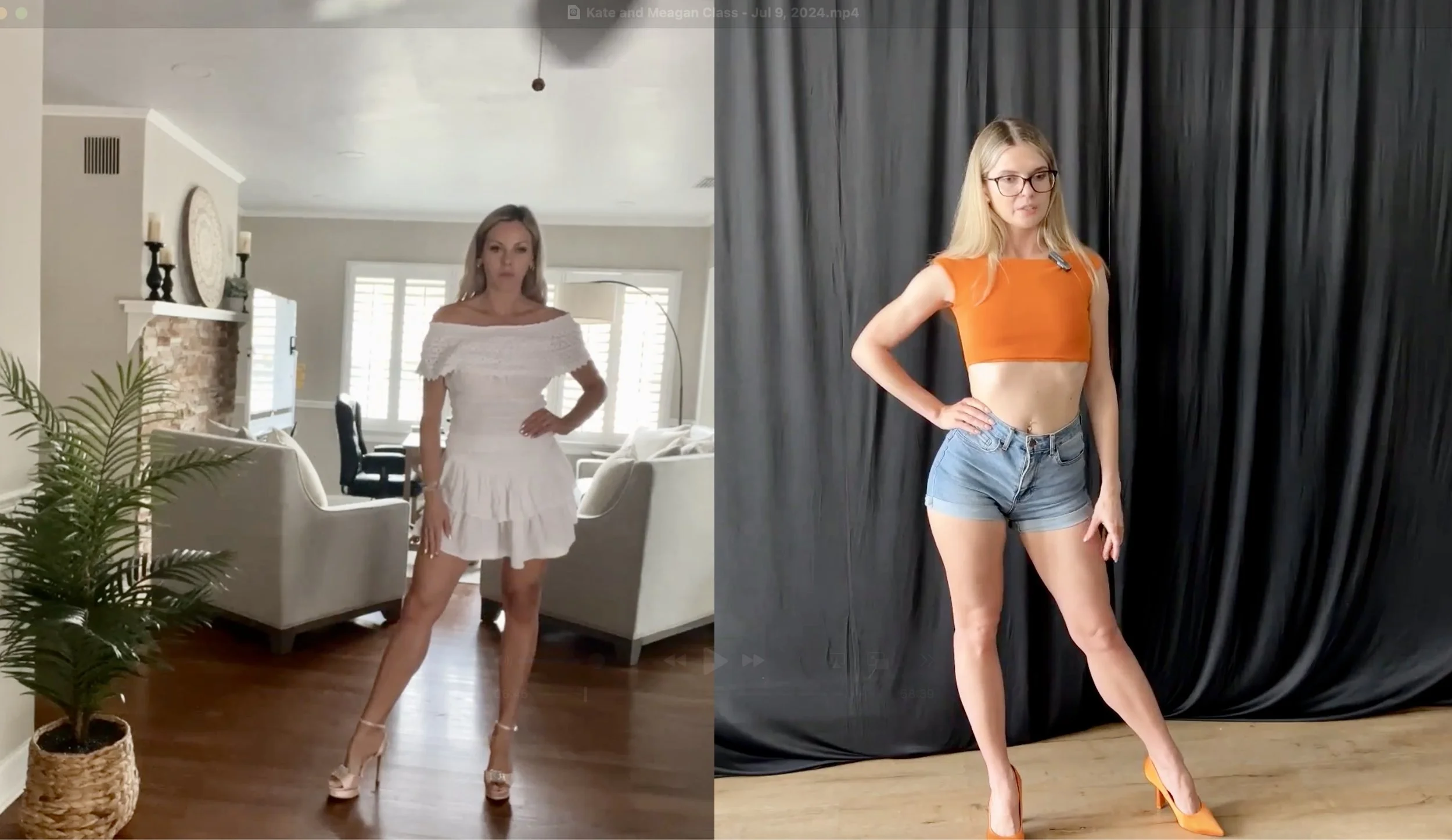
Presence coach Kate Ziuz working with a client on on-camera body language and presence mechanics during a coaching session.
"Is presence coaching only for executives and C-suite leaders?"
No — and this is probably the most common misconception.
Most presence coaching in the market is built for corporate leadership: boardrooms, investor pitches, managing up. If that's your world, that work is valuable.
But my clients are founders, entrepreneurs, coaches, and consultants who are building visible brands — through podcasts, speaking engagements, content creation, and media appearances. They're not climbing a corporate ladder. They're building something, and their visibility is directly tied to their revenue.
If every podcast you record is an opportunity to attract a client, and every speaking gig is a chance to build your reputation, then your presence has stakes that are just as high as any boardroom — they're just different stakes.
"I already have confidence. Do I still need this?"
Yes — and this is the most important thing I want you to understand.
Confidence is internal. Presence is what other people can actually see.
You can feel completely confident and still be leaking authority through patterns your body has defaulted to for years: a slightly forward posture, eyes that scan instead of land, hands that fidget under pressure, speech that speeds up when you're nervous. None of those are confidence problems. They're mechanics problems.
When I see someone's shoulders round forward the moment the record button gets pressed, I know it's not because they don't believe in themselves. It's because their body registered pressure and did what it's always done. That pattern is fixable. Confidence doesn't fix it — mechanics do.
"I'm not nervous. I just don't look as good on camera as I feel."
This is actually the most common reason people come to me, and it's a very specific problem.
There's a gap between how you feel inside and what the camera picks up. You feel composed; you look slightly stiff. You feel engaged; you look like you're reading a teleprompter. You feel warm and natural; you look like you're trying.
The camera flattens energy. What reads as normal in a room reads as flat on screen. What reads as authority in person sometimes reads as tense on video. Adjusting for the camera is a skill, not an accident — and once you learn it, it becomes automatic.
"What kind of visible moments is this coaching built for?"
The short answer: any moment where someone is watching you and forming an opinion about your credibility.
Specifically, my clients come to me before or during:
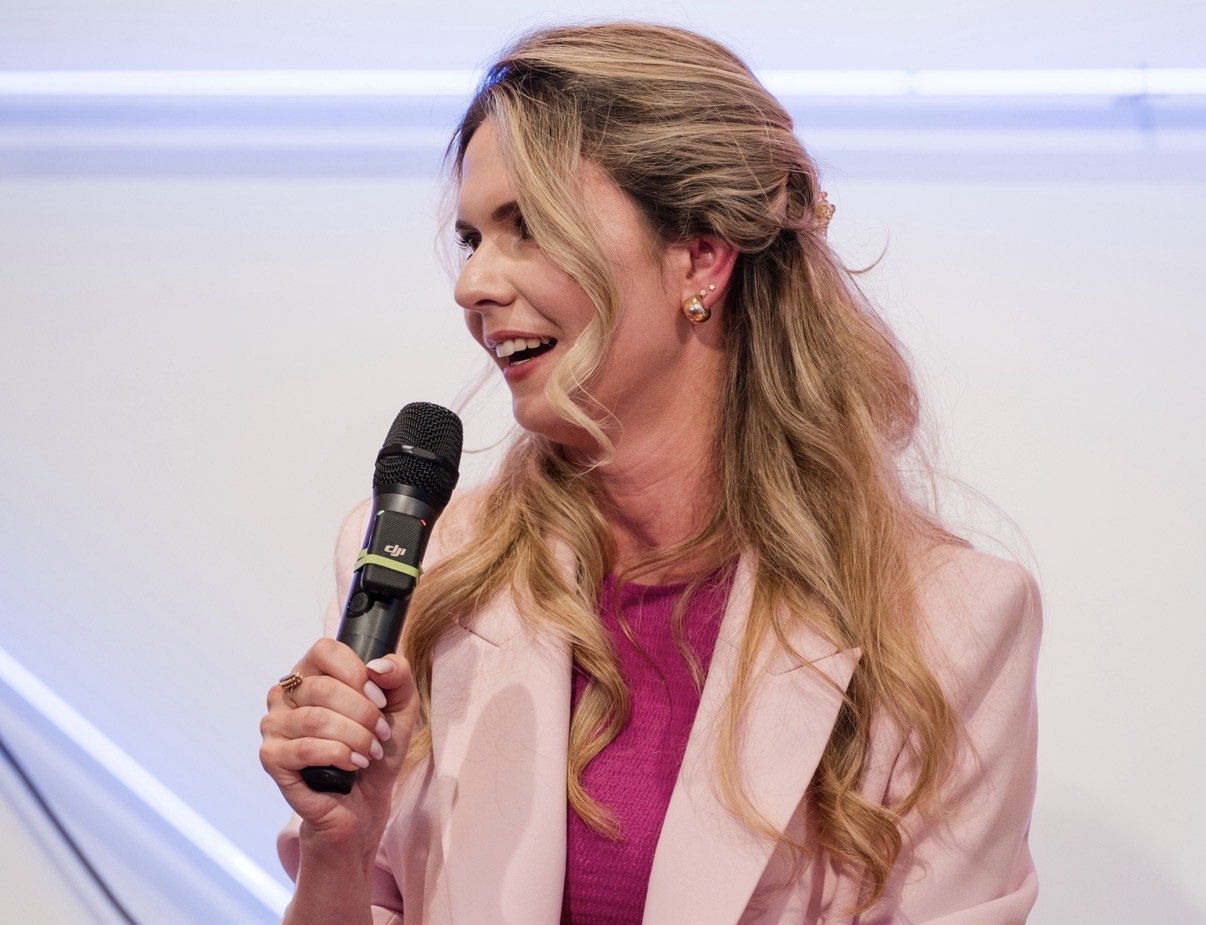
Speaking engagements — conferences, summits, panels, workshops
Media interviews — press appearances, TV segments, brand features
Podcast recordings — both as a guest and as a host, remote or in-studio
Video content creation — Instagram, YouTube, course recordings, content days
Networking — high-stakes introductions, pitch moments, new circles
If you're building a visible brand, you're probably doing several of these — and every single one is an opportunity to either build or erode your perceived authority.
"Is this different from a speaking coach or a media trainer?"
Yes, though there's overlap.
Speaking coaches typically focus on content structure, delivery, and public speaking technique. Media trainers prepare you for press interviews — what to say, how to handle difficult questions, what to avoid.
I focus specifically on your body — the physical signals your presence sends before you've said a word and throughout everything you say. Posture, stillness, hand placement, eye contact, vocal pace, energy management. The mechanics of how people perceive authority, not just what you communicate.
In practice, my work often complements what a speaking coach does. They build the content. I build the container it lives in.
"I only have one event coming up. Is that enough to work with you?"
It depends on what you mean by "one event."
If you have a single high-stakes moment — a podcast recording, a speaking gig, a media interview — coming up in the next three to four weeks, that's exactly what Event Poise is built for. Two sessions: we audit your current patterns, install the mechanics specific to that context, and polish before the moment. You walk in prepared.
Where I'd push back: if that one event is the beginning of a visibility strategy — if there's a second podcast, a future speaking opportunity, content creation plans — then two sessions won't be the last investment that makes sense for you. Presence compounds. Every visible moment you show up well builds on the last one. One great recording is a moment. Five consistent recordings is authority.
"How is this different from just watching yourself on video and improving on your own?"
Watching yourself is actually a great instinct — and I recommend it. But there are two problems with doing it alone.
First, you don't know what you're looking for. You'll notice that something feels off, but you won't be able to name the specific pattern causing it or know what to replace it with. You'll edit the symptom, not the source.
Second, your eye goes to what you're self-conscious about, not what's actually undermining your credibility. Most people fixate on how they look or whether they sound smart. What I watch for is entirely different: where the energy drops, when the posture shifts, which physical patterns are leaking authority without you knowing it.
The audit piece of my work is where most clients have their first "I had no idea I was doing that" moment. That's the moment the real work starts.
"I'm a founder, not a speaker or media personality. Is presence coaching relevant to me?"
If you're building a visible brand, you are a speaker and a media personality — even if that's not how you think of yourself yet.
Every podcast you record as a guest is a speaking engagement. Every piece of video content you post is a media appearance. Every time you walk into a room full of potential clients or collaborators, your presence is working for or against you before you open your mouth.
Founders who are building visibility through podcasts, content, and speaking are my primary clients. Not because they're performers — because they're experts whose authority should be felt, not just known.
"What results should I actually expect?"
The most common things clients report after working together:
Speaking invitations increase — people remember them, not just their message
Podcast hosts invite them back (or new hosts reach out after hearing an episode)
Video content gets more engagement because people feel their authority, not just hear their words
They stop overthinking their presence before each moment and show up the same way, consistently
The deeper shift: presence stops being something that happens to you (good days and bad days) and becomes something you can reliably produce. That consistency is what compounds into undeniable credibility over time.
"How do I know if we're a good fit?"
The right person for this work is already building visibility — podcasts, speaking, content — or has high-stakes moments coming up in the next 30 to 60 days. They understand that how they show up affects what opportunities come to them. And they're ready to practice, not just learn about it theoretically.
The wrong fit: someone who wants a mindset shift, someone with no visibility moments on the horizon, or someone who's looking for motivation to show up rather than mechanics for how.
If you're unsure, the fastest way to know is a 30-minute strategy call. We'll talk about what you're building, what's coming up, and whether the work makes sense right now.
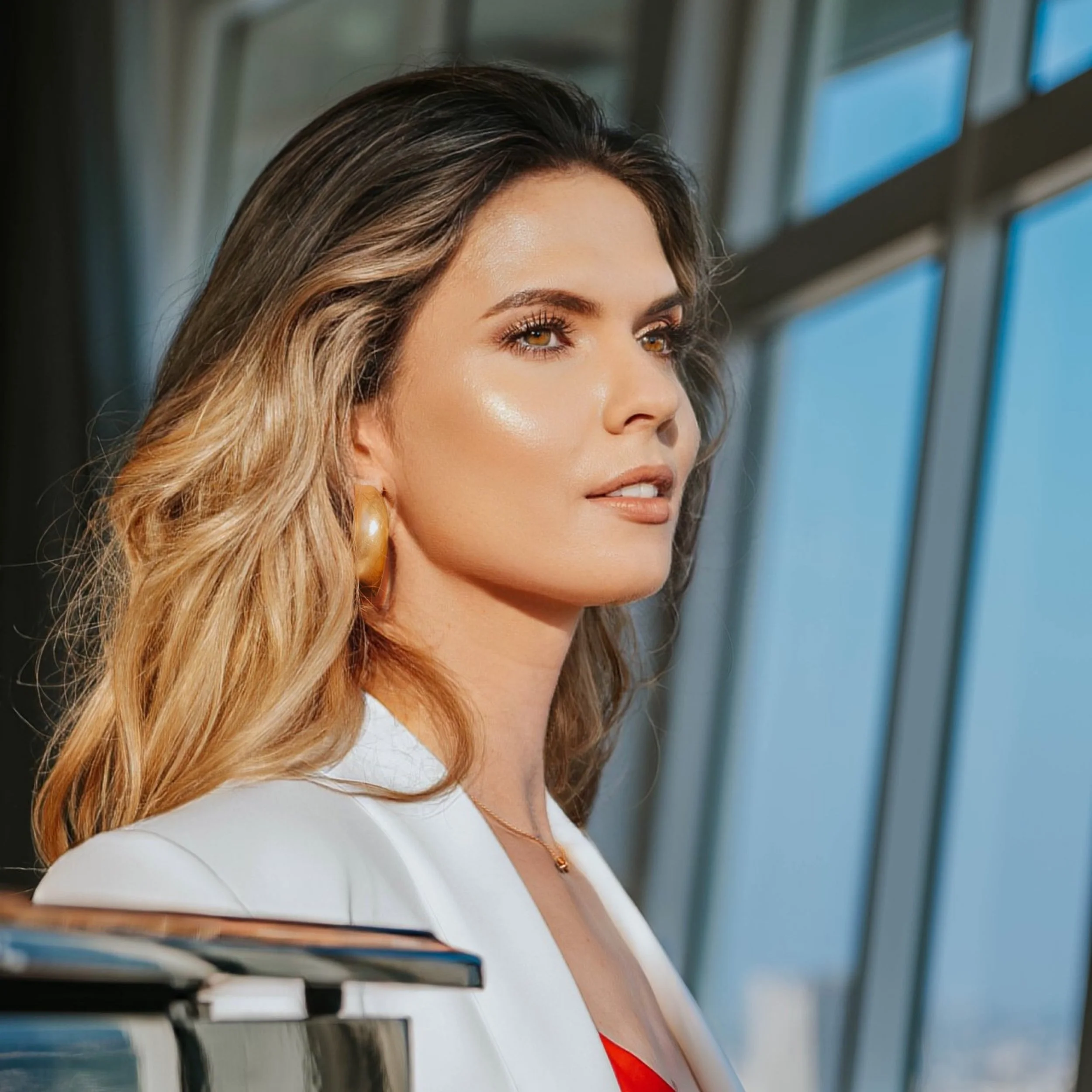
Kate Ziuz is a presence coach for founders and entrepreneurs building visible brands. She specializes in the mechanics of on-camera presence, stage presence, and high-stakes preparation — helping clients close the gap between their actual expertise and how credible they appear. Based in Los Angeles. Featured in Best Holistic Life Magazine, Femforce Podcast, Authority Magazine, and more.
